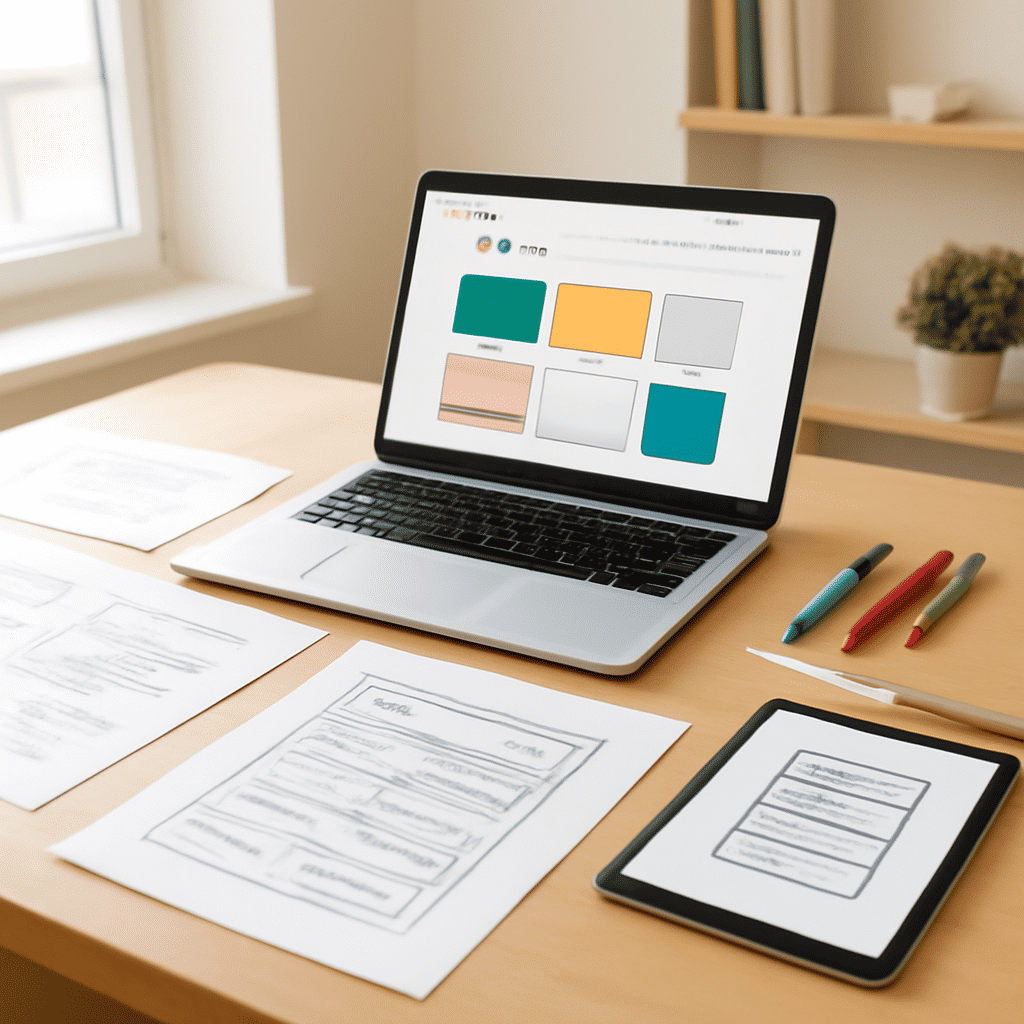
Creating a well-organized and visually appealing web page layout is crucial for enhancing the user experience. Effective design ensures that the audience can easily navigate and interact with content, which fosters engagement and retention. Here, we explore the essential elements and principles needed to craft outstanding web page layouts.
Understanding the Basics of Web Page Layout
Start by mastering the foundational principles of layout design, which include balance, contrast, alignment, and proximity. These principles help establish a coherent structure that guides the user's eye across the page, facilitating a natural flow of information.
-
Balance: Achieved when elements are evenly distributed across the layout. This can be symmetrical, where both sides mirror each other, or asymmetrical, which provides a more dynamic feel but still maintains equilibrium.
-
Contrast: Involves using differing elements, such as colors, shapes, or fonts, to highlight key components. This principle draws attention to specific areas and can be instrumental in directing user focus.
-
Alignment: Ensures that every element is connected and creates a visual structure. Proper alignment leads to a cleaner look, making it easier for users to absorb information.
-
Proximity: Elements that are related should be grouped together. This intuitive organization helps users quickly understand and interact with content.
Responsive Design
In today's multi-device world, responsiveness is key. A responsive layout adapts seamlessly to different screen sizes, ensuring usability whether accessed from a desktop, tablet, or smartphone. This involves using flexible grids and media queries to adjust elements based on the device’s viewport.
Visual Hierarchy
Creating a visual hierarchy is about arranging and prioritizing content to communicate effectively. Larger, bolder fonts, vibrant colors, and strategic placement guide users to the most critical information first. Implementing this hierarchy creates a layered, organized layout that enhances readability and understanding.
Typography and Color Scheme
Choosing the right typography and color scheme is another vital aspect. Typography should reflect the brand’s identity and be legible across all devices. A harmonious color palette, on the other hand, not only appeals to aesthetic sensibilities but also enhances readability and emotional connectivity.
Whitespace and Minimalism
The strategic use of whitespace or negative space prevents the layout from feeling cluttered. It offers breathing room around elements, which improves focus and emphasis. Adopting a minimalist design also helps in eliminating distractions, ensuring users stay focused on the content.
Intuitive Navigation
An intuitive navigation structure is crucial for optimizing the user experience. Clear menus, concise labels, and logical pathways prevent frustration and enable users to find what they need quickly. Sticky headers or simply organized tabs can be effective in maintaining context and ease of access.
Testing and Feedback
Lastly, a critical step in developing effective layouts is continuous user testing and gathering feedback. Understanding how real users interact with your design provides insights into potential improvements and innovations, ensuring the page remains effective and engaging.
In sum, crafting a remarkable web page layout involves a delicate balance of artistic direction and functional design. By focusing on user-centered principles and staying adaptive to emerging trends and technologies, designers can create intuitive, appealing, and highly functional pages that significantly elevate the user experience.